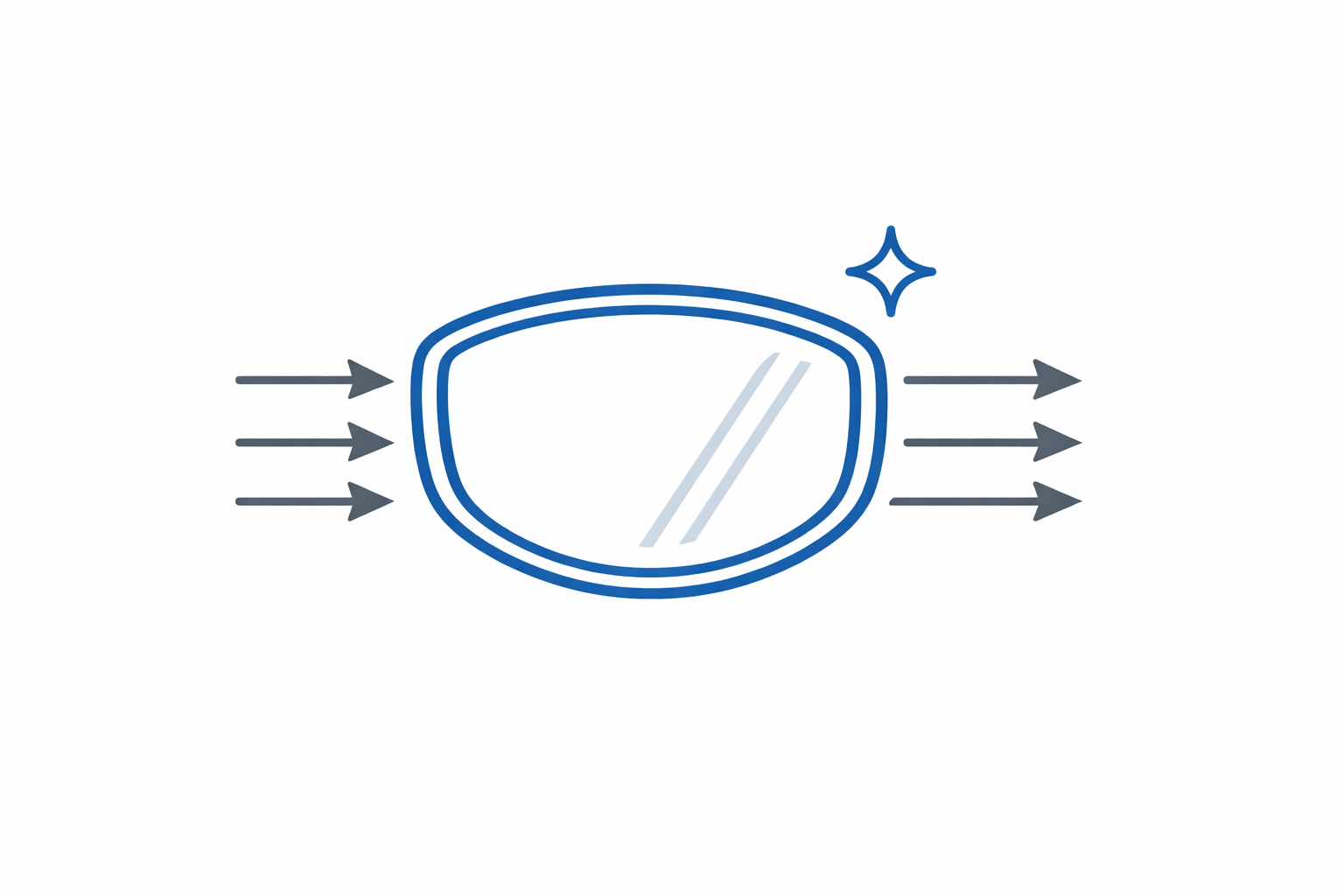
With
Without
Yes.
The lenses have only a subtle grey tint and are comfortable to use in indoor pools or moderate lighting conditions.
In these environments, the goggles perform like a high-quality, long-lasting anti-fog swim goggle.
However, the unique benefits of polarization are less noticeable indoors due to the lack of strong surface glare.
Polarized lenses are designed to reduce glare caused by strong reflected light on the water surface.
In bright outdoor conditions, polarization helps filter harsh reflections, allowing swimmers to clearly see both underwater and above the water surface — something standard or mirrored goggles cannot fully achieve.
No.
These lenses are not dark or heavily tinted, and they are not mirrored.
They feature a subtle grey tone designed to control glare rather than reduce overall brightness, making them suitable for a wide range of lighting conditions.
Mirrored goggles reduce brightness by reflecting light away from the lens surface.
Polarized goggles specifically filter reflected glare from horizontal surfaces such as water, improving visual comfort and clarity in strong sunlight rather than simply darkening the view.
Yes.
They can be used for everyday swimming, including indoor training.
That said, their main advantage becomes most apparent during outdoor swims or in bright environments where surface glare is present.
In bright outdoor conditions, polarized lenses can significantly improve visual comfort by reducing surface glare, which helps maintain a clearer view both underwater and when sighting above the water.
In lower-glare environments, visibility remains clear but similar to standard high-quality swim goggles.
No.
The polarization is built directly into the lens structure, not applied as a surface coating, so it does not wear off with normal use.
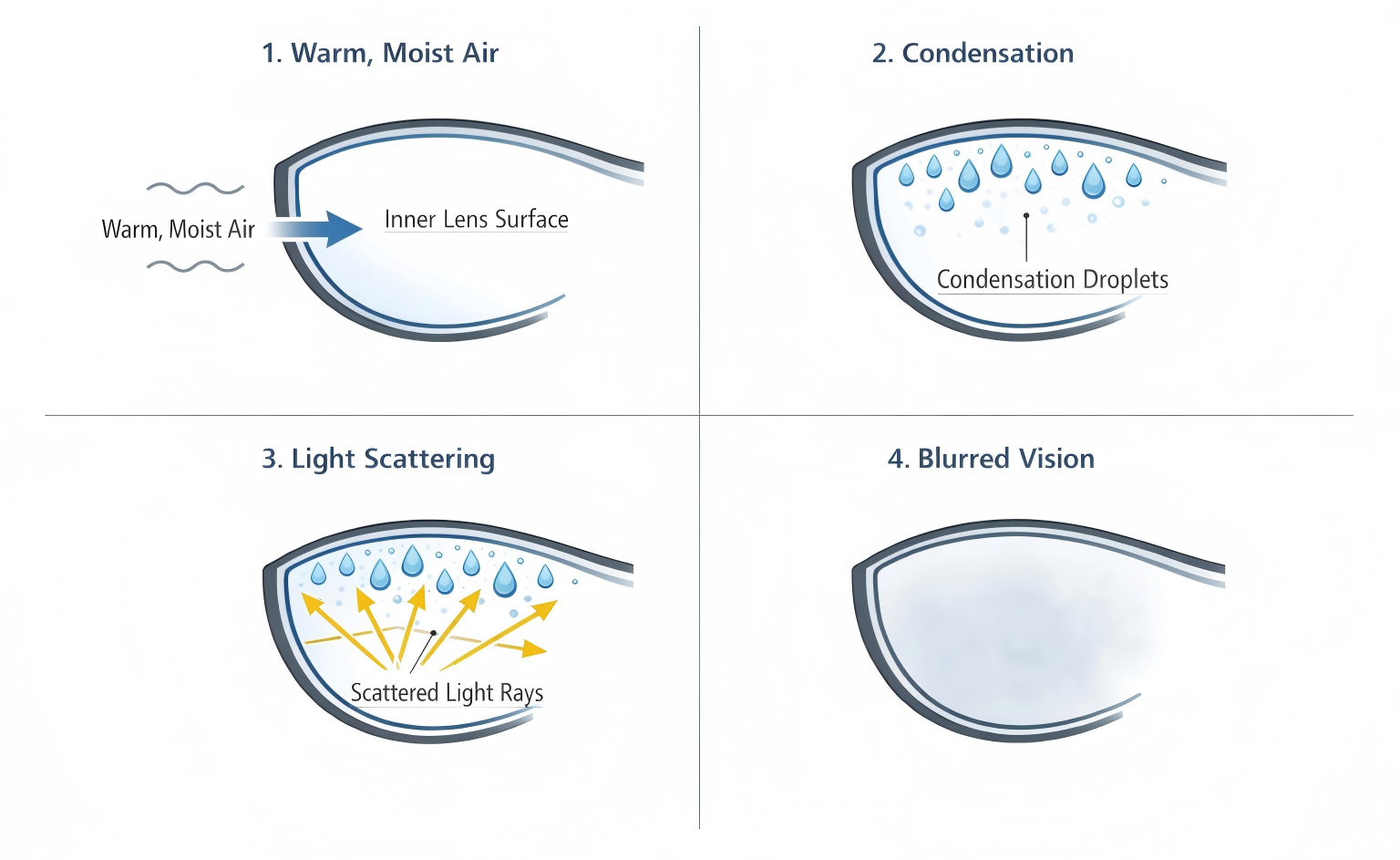
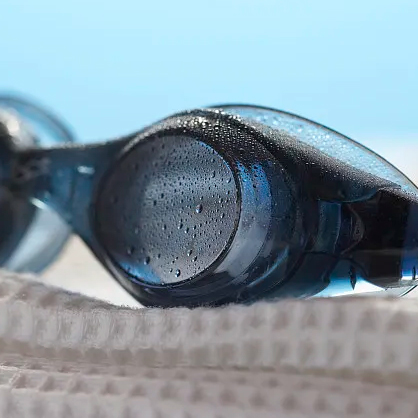
The goggles use structural anti-fog technology rather than a temporary surface coating.
This provides long-lasting fog resistance and clear underwater vision during extended swims without frequent reapplication.
Clear or lightly tinted goggles may be preferable in very low-light environments, such as night swimming or extremely dim indoor pools, where glare control is not needed.